

BUSINESS
USMAN ABDULQADIR TO REPLACE TOMI SOMEFUN AS UNITY BANK CEO


As Unity Bank situation worsens, ENigeria reports that Executive Director, Usman Abdulqadir is positioned to replace Tomi Somefun as CEO.
The festering issue at Unity Bank Plc may not be over yet, as new pressure is being applied to Tomi Somefun, the bank’s Managing Director/CEO, to resign, according to information reaching ENigeria Newspaper.
This is despite Nigeria’s former president, Olusegun Obasanjo, intervening many times to save Somefun’s job.
Inside sources however revealed that Obasanjo’s last intervention failed as the board has insisted on change in the leadership of the financial house.
Somefun, a pastor of the Redeemed Christian Church of God (RCCG), is alleged to have failed to reform the bank, which is still struggling to stay afloat, according to a previous post in this newspaper.
However, ENigeria has learned that Mr. Usman Abdulqadir, the executive director of Risk Management and Compliance, is being positioned to take Tomi Somefun’s place.
Mr. Abdulqadir, who is thought to be the board’s preferred choice for the role, joined the bank in April 2018 and has extensive financial experience.
He was the Ag. Managing Director/Chief Operating Officer of FMDQ Clear Limited and vice president and divisional head, Post-Trade Services, of FMDQ OTC Securities Exchange Plc till his appointment.
Usman holds a bachelor’s degree in accounting and a master’s degree in Islamic finance from Bayero University in Kano, Nigeria (Durham University, UK).
In the year 2000, he was admitted as an associate member of the Institute of Chartered Accountants of Nigeria.
He spent 13 of his almost 20 years in the banking industry at the Central Bank of Nigeria (CBN), where he retired as a principal bank examiner.
Usman worked on a number of projects while at the CBN, including the Islamic Financial Services Board’s Working Group on Liquidity Risk Management and the Project Management Office for the implementation of Nigeria’s new financial stability framework.
Nigeria Banking Sector Consolidation Programme (served on the Implementation Committee); Nigeria Banking Sector Reform Programme (served on the Implementation Committee); (The Project Alpha Team).
Usman founded East Atlantic Advisors Limited, a business consulting and financial advisory services firm based in Lagos, and was the first executive director (chief risk and finance officer) of SunTrust Bank Nigeria Limited.
Unity Bank’s failure to attract suitable investors has been a key obstacle in the institution’s development.
Unity Bank Plc, as reported by ENigeria Newspaper, is in serious need of capitalization if it is to survive the CBN’s hammer.
The bank’s external auditor, KPMG Professional Services, raised a red flag about Unity Bank’s existence in 2019 and 2020, stating that the lender’s total liabilities exceeded its total assets by N279 billion, and the lender failed to meet the required minimum CAR of 10% for a national bank.
According to KPMG, “a major uncertainty exists that may cast significant doubt on the bank’s ability to continue as a going concern.”
Agusto & Co. also assigned the bank a “BB-” rating, meaning that it is junk or below investment grade.
On the other hand, the board of directors has expressed great faith in its ability to preserve the financial institution and get it back on its feet.
Regarding this ongoing issue and the results in the 2020 reporting year, the auditor issued a new warning. Unity Bank only had a pre-tax profit of N2.1 billion in 2018, compared to N3.4 billion in 2019, and its total liabilities exceeded its total assets by N275 billion, compared to N279 billion in 2019, with a CAR of -101.29 percent, down from -200.8 percent in 2019.
“As a result, the bank fell short of the CBN’s minimum capital requirement and the CAR, which is 10% for a national banking licensee. The board of directors understands that the bank’s recapitalization timeline is yet undetermined.
“However, the directors have gone to an advanced stage with both local and foreign investors in the capital mobilization for the bank,” the results indicated.
In the last five years, the financial institution’s performance hasn’t exactly wowed investors, and there have been a few blips here and there, indicating that something isn’t quite right with the bank.
For example, from N13.639 billion in 2014 to N2.342 billion in 2015, the company’s earnings before tax fell by 82 percent. In addition, it decreased by 22% from N2.342 billion in 2015 to N1.816 billion in 2016.
In 2017, the bank posted a loss before tax of N14.243 billion, compared to a pre-tax profit of N1.816 billion in 2016, and a loss before tax of N7.554 billion in its restated results in 2018, but a pre-tax profit of N3.642 billion in 2019, and N2.223 billion in 2020.
A careful examination of the bank’s financial reports for 2020 revealed that the firm has not recovered, as its profit has plummeted due to credit and revaluation losses.
The lender’s profit fell 38% to N2.08 billion from N3.38 billion the previous year.
According to the report of Unity Bank’s independent auditors, KPMG Professional Services, the bank’s total liabilities “exceeded its total assets by N275 billion” as of December 31, 2020, and the bank “did not meet the required minimum Capital Adequacy Ratio (CAR) of 10% and the minimum capital requirement of N10 billion for a national bank as required by the Central Bank of Nigeria.”
According to the findings, the lender’s total assets were N492.0 billion in the period under review, while total assets were N767.4 billion, with a CAR of -101.29 percent.
These signs are alarming…
Earnings per share dropped 38% from 28.9 kobo per share the previous year to 17.8 kobo per share.
Personnel costs increased by 10% to N10.4 billion in 2019 from N9.4 billion, while depreciation of property and equipment fell to N1.69 billion from N1.7 billion in the same period last year.
In 2020, the bank paid N22.1 billion in income tax, down 38% from the previous year’s N 36.2 billion.
Shareholders of the lender are concerned that they may not have enough time to fulfill these lofty targets because the bank needed a N50 billion short-term loan from the CBN to cover working capital requirements last year, and this credit facility is set to expire on September 19, 2021. This loan, along with others, has raised the financial institution’s debt.
Source: ENigeria Newspaper


BUSINESS
Tony Elumelu Marks Birthday with Renewed Commitment to Empower 3,200 African Entrepreneurs Across 54 Countries

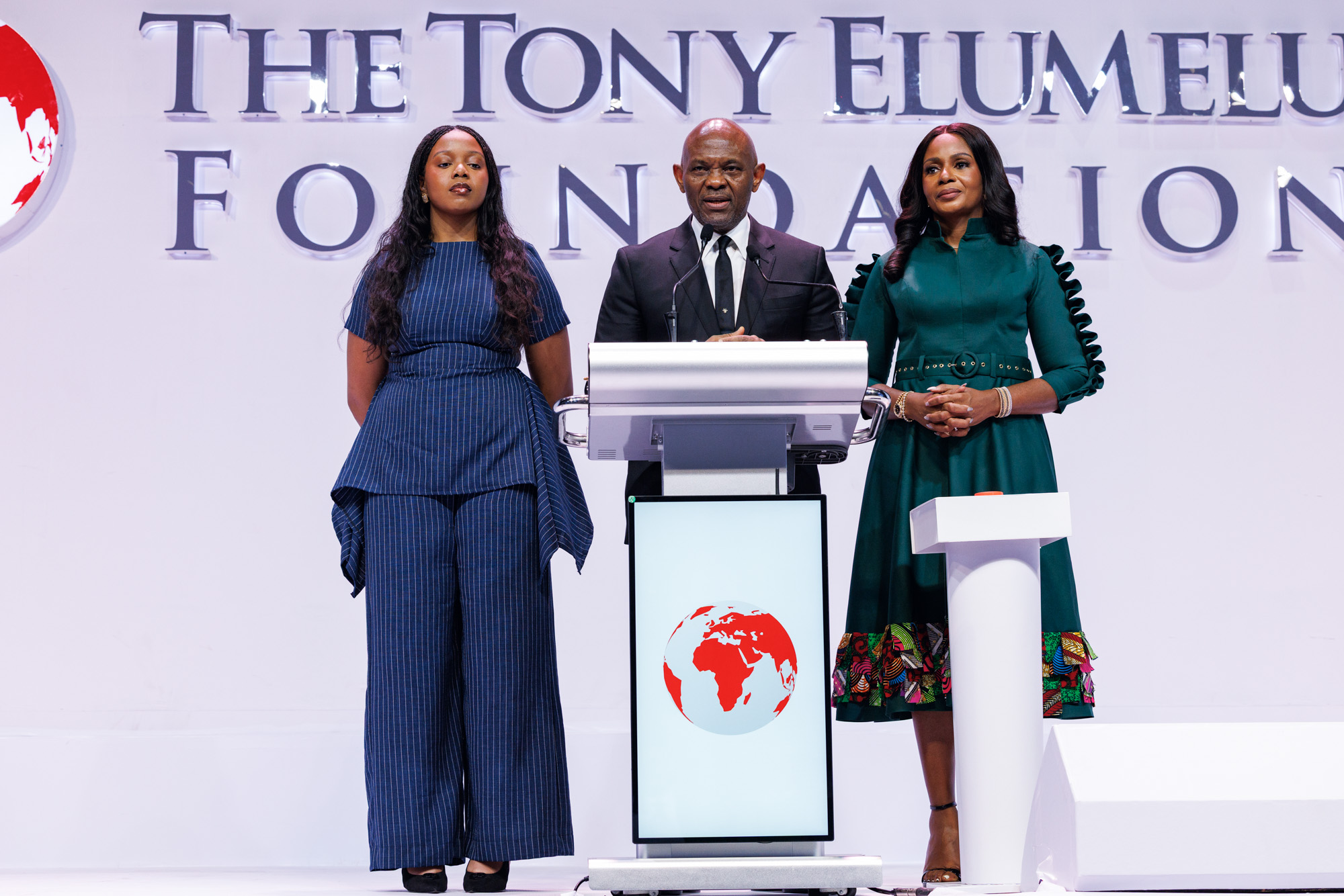
In a move to reaffirm his commitment to empowering African entrepreneurs, Chairman of Heirs Holdings, UBA Group and Founder of the Tony Elumelu Foundation (TEF), Tony O. Elumelu, CFR, has announced 3,200 beneficiaries for the 2026 TEF Entrepreneurship Programme.
The announcement, made in Abuja, coincides with the philanthropist’s annual reflection on impact, purpose, and the transformative power of entrepreneurship across the African continent.
In his annual letter, Elumelu emphasised that opportunity and prosperity can be intentionally created and scaled, saying, “Hope is not just a feeling, it is a system we can build”. This underscores his long-standing belief in Africapitalism, the philosophy that Africa’s private sector must drive economic and social development.

This year’s cohort of 3,200 young entrepreneurs, selected from across all 54 African countries, will each receive $5,000 in non-refundable seed capital, alongside access to mentorship, business training, and TEF’s proprietary digital platform, TEFConnect.
Highlighting the programme’s growing impact, Elumelu noted that the Foundation has now disbursed over $100 million in funding to more than 24,000 African entrepreneurs since its inception. The programme continues to demonstrate strong outcomes, with 80 per cent of supported businesses scaling beyond the early stage, significantly outperforming global averages.
Collectively, TEF-supported entrepreneurs have generated over $4.2 billion in revenue, created 1.5 million jobs, and lifted more than 2.1 million Africans out of poverty, impacting over four million households across the continent.
A notable feature of this year’s selection is the strong representation of women, who account for 51 per cent of the cohort. According to Elumelu, this reflects merit-based selection and highlights the increasing leadership of African women in entrepreneurship. “When opportunity is accessible, African women do not simply participate, they lead.”
Reflecting on the Foundation’s journey since its launch in 2010, Elumelu reiterated the vision to democratise opportunity and scale impact across Africa by investing in its most valuable resource, which is its people. He also expressed gratitude to partners, mentors, and stakeholders who continue to support the Foundation’s mission of building a self-sustaining Africa.
The Tony Elumelu Foundation is the leading philanthropy empowering young African entrepreneurs from all 54 African countries. Through its flagship Entrepreneurship Programme, TEF provides training, mentorship, funding, and access to networks, driving inclusive economic growth and transforming Africa’s development narrative from aid to investment and partnership.
BUSINESS
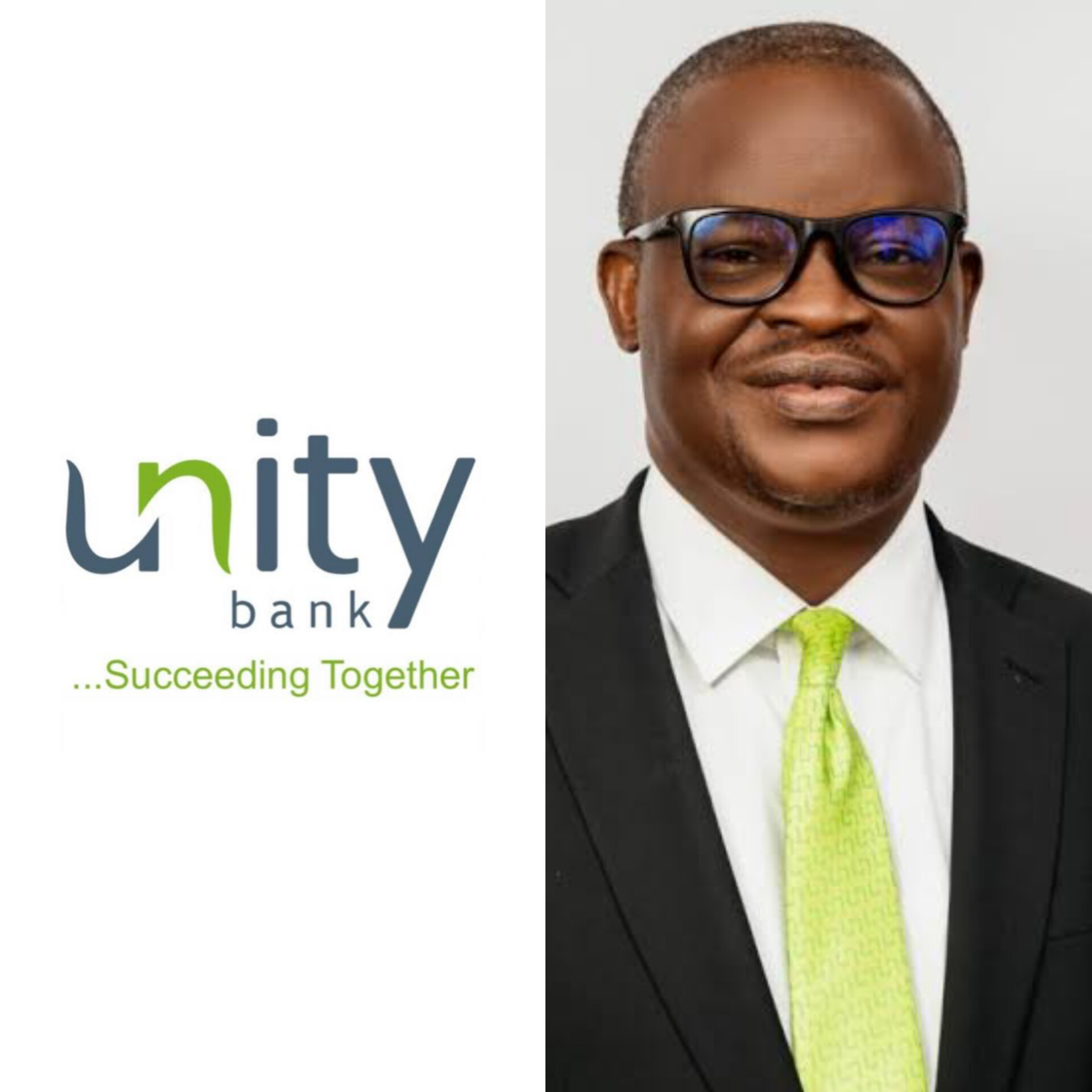
Exclusive: New Year Tears: Unity Bank MD Ebenezer Kolawole sacks over 100 staff on New Year Day As Their Thank You Present
Secrets Reporters
As Nigerians shout “Happy New Year” to one another in churches and in clubs across the country, little did some bankers know that their New Year will begin with sadness.
On January 1st 2026, Mr Ebenezer Kolawole, the Managing Director of Unity Bank Plc pierced the hearts of his workers all over the places they have branches when he directed the head of Human Resources to serve over 100 staff their termination letters and immediately deny them access to all logins.
The New Year ‘gift’ which came as a rude shock to the affected staff SecretsReporters gathered, sent some of them to the hospitals.
On January 2nd 2026, we obtained an exclusive document written by the Association of Senior Staff of Banks, Insurance and Financial Institutions (ASSBIFI) and addressed to the MD/CEO of Unity Bank, to immediately reverse the sack of 42 staff that they are aware of or face a show down and industrial actions.
They accused the MD of wrongful termination without consultation, valid reasons and failure to comply with due process, thus contravening the Nigeria Labor Act as well as the scheme of merger document between Unity Bank PLC and Providus Bank PLC.
SecretsReporters gathered that Unity Bank had earlier reached an agreement with the bankers that no employee will be sacked as a result of the merger without due consultation and due process, an action which ASSBIFI termed “provocative and a deliberate violation of due process”.
The union has asked the MD to withdraw the termination letters immediately and be ready for a meeting with them to resolve the matter amicably.
An ultimatum of 8th January 2026 has been issued by the warring union to address the matter promptly to avoid taking the necessary industrial actions.

Secret Reporters
When the Central Bank of Nigeria introduced the redesigned 200, 500, and 1000 Naira notes into the country’s financial system, it was expected to plug fiscal leakages, boost government revenues, and empower vulnerable Nigerians economically. However, since the policy’s inception, it has been a tough time for Nigerians as it has had negative effects on the nation, with banks surreptitiously initiating unusual charges on transactions. While Nigerians continue to deal with Naira scarcity, they now pay charges for every transaction like deposits, over-the-counter withdrawals, ATM withdrawals, and transfers.
In a statement by the CBN governor, Godwin Emefiele, he explained that the policy would lead to a reduction in the value of money in circulation, deceleration of the velocity of money in the economy, lower inflation, and collapse of illegal economic activities, making people who have earned money through illegal ways afraid to declare the money as they may be prosecuted by the Income Tax Department on the legitimacy of their income. On his part, President Muhammadu Buhari stated that banknote redesign is aimed at achieving specific objectives, including improving the security of banknotes, mitigating counterfeiting, preserving the national heritage, controlling currency in circulation, and reducing the overall cost of currency management.
The Fraud
The charges on transactions by banks have become an avenue for extortion, with banks charging exorbitantly for each transaction, no matter how small the amount involved is. Nigerians have lamented that the banks have been taking money they don’t work for, and this has affected their purchasing power. The CBN has not checked this extortionist trend, with the banks charging whatever they like.
Nigerians Lament
Our correspondent sampled the opinions of Nigerians on how the charges are having effects on them, and respondents expressed frustration with the situation.
Justus Iroro from Delta State expressed concern that the banks are exploiting citizens and contributing to the hardships.
“Imagine banks that were supposed to help the citizens at a time of hardships like this contributing a higher proportion to the hardships. Not only the commercial banks but the apex bank inclusive ranging from printing of less Naira notes to hoarding of printed notes. Then on the side of the commercial banks, they see it as a huge business for them, charging every bit of transactions made by their customers and diverting the notes in their dispositions to the politicians for an illegal commission” Justus said.
He also noted that policies made to checkmate corruption in high places are always borne by the common man. His views were no different from those of Chioma from Lagos, who feels that banks are taking money they don’t work for. “My boss pays me N91,000 at the end of every month but lately that amount is rubbish. It is frustrating and exhausting living in this country.”
Fafiolu Olufemi from Ogun State also lamented and said that the banks’ interest rates are high, affecting the prices of goods in the market. “It’s pretty much on the high side, the interest of the banks is high and this has affected the prices of the goods in the market. Even if the market women now collect charges on every transaction done.” Fafiolu said.
YOU MAY ALSO LIKE: Abia LG commissioner in trouble over missing N1.160 billion
Paulyn Abu, also from Ogun State, referred to Nigerian banks as “Legal Yahoo” and thieves who send alerts days after a transaction has been made, making it difficult to reconcile accounts. “What I have to say is that Nigerian banks are into Legal yahoo. Dem be thieves. You would make one transaction and they will send the alert 3 days later when you may have done other transactions. How can one begin to even trace and reconcile accounts? They should shaaa repent.”
Merit Ugolo from Abuja was frustrated with the wickedness in the country, wondering how Nigerian banks could charge for every transaction without the CBN checking it. “I really don’t understand what is happening in this country. Who will save us from these evil people? I am tired of everything in this country.”
Joseph Adams from Benin described Nigerian banks as stealing from the people, “You initiated a policy that is supposed to make people’s lives better and it failed woefully, instead of looking for ways to right your failures, it became an avenue for you to extort people. How wicked can a person be? Nigerian Banks are stealing from us, and no one is saying anything. I am pained every time I do a transaction and these Banks collect my money, this is sheer wickedness”.
Joyce Ogudu from Warri noted that politicians could do anything and get away with it because Nigerians are used to suffering. “We are used to suffering in this country that is why these politicians can wake up and do anything and get away with it. But then, it only shows that we don’t have leaders in this country. How does a government remain unbothered while the citizens suffer this kind of wickedness? How do you charge me for every transaction I make? It is just pure evil” Joyce bemoaned.
The Pastor in charge of the Redeemed Christian Church of God, City of David Parish, Jikwoyi, Abuja, Pastor John Tijani in his sermon on Sunday 26th March 2023 decried Nigerian Banks for imposing charges on every transaction made. According to him, Nigerian Banks have become thieves who are stealing from the citizens without being questioned.
Tijani enjoined members of his congregation to begin to explore other means of saving their money since keeping money in the bank is no longer ‘safe’.
-
 STRAY BULLET10 years ago
YOU ARE A THIEF SO YOU CAN’T PROBE A THIEF: ANOTHER UK NEWSPAPER WRITES BUHARI
-
 LATEST NEWS10 years ago
PREACH AND DIE: FOR DARING EARLY MORNING PREACHING IN ABUJA, MUSLIMS HACK TWO PASTORS TO DEATH
-
 LATEST NEWS9 years ago
BREAKING: TYRANNICAL NIGERIA PRESIDENT, MUHAMMADU BUHARI DIES IN LONDON HOSPITAL, BUT PRESIDENCY KEEPS SEALED LIPS
-
 SPECIAL REPORT10 years ago
MISS ANAMBRA CUCUMBER SAGA: HOW ANAMBRA BROADCASTING SERVICE DIRECTOR, UCHE NWORAH LEAKED SEX VIDEO TO THE PUBLIC FOR HER REFUSAL TO CONTINUE SEXUAL AFFAIR WITH HIM (PART ONE)
-
 SPECIAL REPORT10 years ago
EXCLUSIVE: HOW STEPHEN KESHI AND WIFE WERE KILLED BY HIS OWN BROTHER
-
 SPECIAL REPORT9 years ago
POWER GAME ALMOST OVER: OSINBAJO UNDER PRESSURE TO HAND OVER TO SARAKI AS VP IN ANTICIPATION OF THE UNKNOWN
-
 STRAY BULLET10 years ago
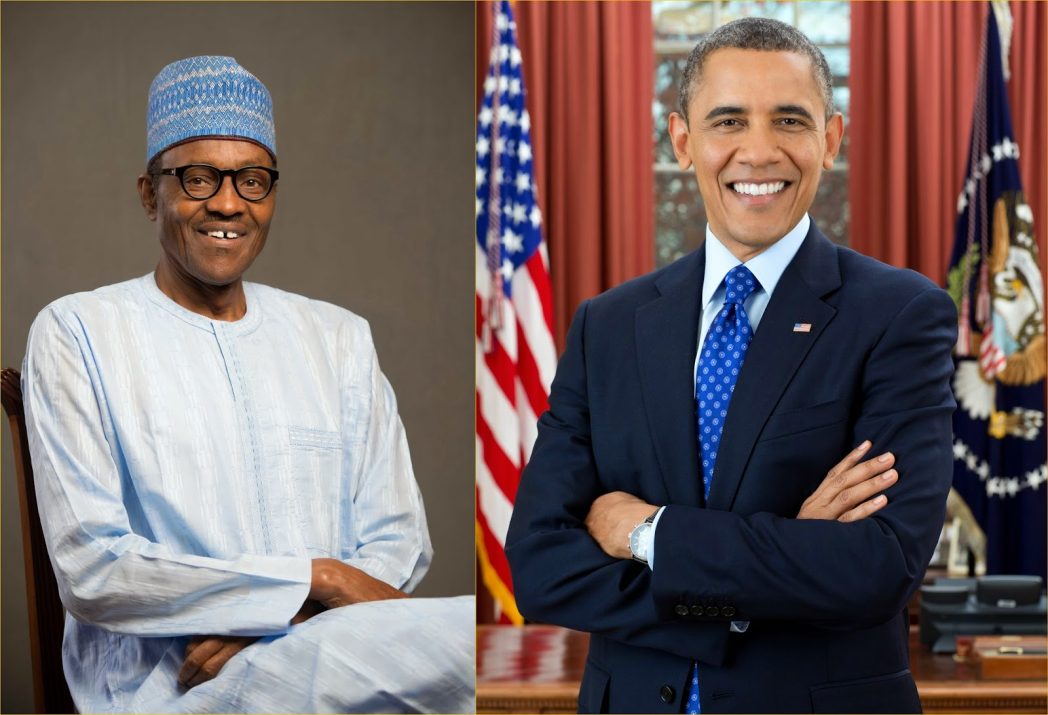
DESPITE HUNGER IN NIGERIA, BUHARI ALLEGEDLY DONATES 500 MILLION DOLLARS TO HILARY CLINTON’S FAILED PRESIDENTIAL ELECTIONS AS NIGERIANS PRESSURE HIM TO CONGRATULATE TRUMP
-
 SPECIAL REPORT10 years ago
EAR INFECTION SCAM: BUHARI JETS TO LONDON TO SECRETLY NEGOTIATE WITH NIGER DELTA AVENGERS