 By
The name is there three times over, in three separate capacities, on the paper of a single Malta company. SecretsReporters scrutiny of the leaked Malta filing data puts Mustafa A. Bulgasm Sanalla on the board of TAMOIL AFRICA HOLDINGS LIMITED as director, legal representative and judicial representative, the holding company that owned Libya’s African downstream network, the Oilinvest system that sold Libyan petroleum products across the continent as OiLibya and OLA Energy.
The company was registered in Malta on 21 February 2002 under number C 29348, at Oilinvest House, Triq il-Falkun, Kappara, San Gwann. It was the holding vehicle above the retail and marketing network, held through Libya Oil Holdings Ltd and TCV Management and Trust Services Limited, and the board recorded in the leaked filings is a Libyan sovereign boardroom in Malta form.
The boardroom in San Gwann
Sanalla did not sit alone. The same record names six fellow Libyan directors, and every one of them carries the same three capacities he carries: Mohamed A. Omar Refaai, Mohamed Abdolla Ali Al Maaloul, Kamel M.M. El Ghasir, Fuad M. Krekshi, Nedal F. El Triki and Abubaker Mohamed Al Waddan, each a director, each a legal representative, each a judicial representative. Above the seven men sit the shareholders, Libya Oil Holdings Ltd and TCV Management and Trust Services Limited. Ernst & Young is recorded as auditor. Andrew Muscat is recorded as secretary.
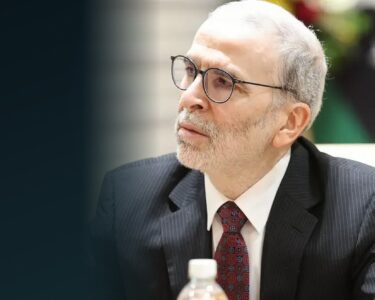
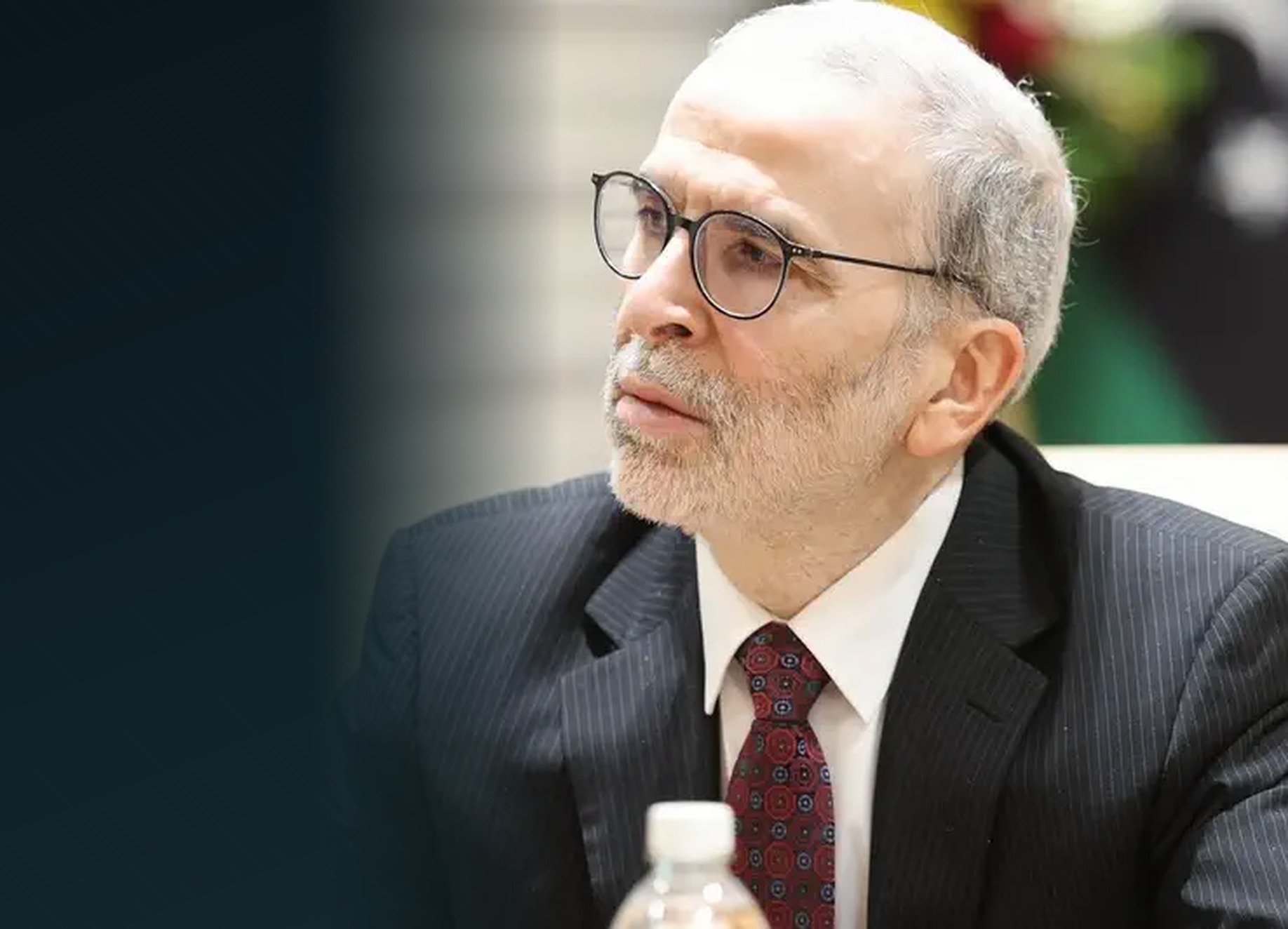
The entry against Sanalla’s own name carries an address in Benghazi: Block No. 4, Turkish Buildings Project No. 1015, near Altuqa Mosque, Alslmani Alshrke, Benghazi. The name, the city and the structure around it point to one man. Mustafa Sanalla chaired Libya’s National Oil Corporation from May 2014 to July 2022, appointed by the NOC board in May 2014 and replaced by Farhat Bengdara in July 2022, and Benghazi is the city his own unification of the corporation was built around. He ran Libya’s oil through civil war, blockades and shutdowns, recognised internationally as the country’s sole NOC chairman, and his full name stands in a Malta filing as an officer of the state network’s African holding.
Listed, then lifted
The company itself was once on a sanctions list. On 12 April 2011 the European Union listed Tamoil Africa Holdings Limited under Council Implementing Regulation (EU) No 360/2011, described in that instrument as a Libyan subsidiary of the Libyan Africa Investment Portfolio. The Malta Financial Services Authority’s Notice 40-2011 later carried the company at item 17, as Tamoil Africa Holdings Limited, also known as Oil Libya Holding Company, in Council Implementing Regulation (EU) No 872/2011, the instrument that removed it and twenty seven other entities from the freeze list. Listed in the spring of the war, lifted by the autumn, the holding at the top of Libya’s African fuel network carried a sanctions history of its own.
What the record does not say
The record relied on here is the leaked filing data captured in the Paradise Papers, stated plainly: the Malta registry’s own officer record for the company has not yet been sighted. The leaked entries give no dates for any of Sanalla’s three roles, no appointment date and no leaving date, and nothing in this report claims that his seat on this board overlapped his chairmanship of the National Oil Corporation. The filings capture a position, not a tenure.
The distinction that matters is stated with equal plainness. This is a directorship, not ownership. The shareholders of Tamoil Africa Holdings Limited are Libyan state vehicles, Libya Oil Holdings Ltd and TCV Management and Trust Services Limited, not Sanalla. Nothing in the records suggests personal equity, personal enrichment or any diversion of state assets into private hands, and the standing caveat of the ICIJ applies to its own database: the inclusion of a person in the Offshore Leaks database is not intended to suggest or imply that they have engaged in illegal or improper conduct.
Libya’s own law never asked the question in any case. The United States Department of State, in its Libya Investment Climate Statement, records that no financial disclosure laws, regulations or codes of conduct require income and asset disclosure by appointed or elected officials in Libya. A chairman of the National Oil Corporation could sit on the board of the state’s African holding in Malta, and no Libyan rule required him to declare it.
What stands is the entry itself, unpublished until now: the name of the man who ran Libya’s oil, recorded in Malta as director, legal representative and judicial representative of the holding that owned Libya’s African downstream network.
Follow Secrets Reporters on WhatsApp: join the channel for every exclusive the moment it publishes.