
Editorial
When a Government Runs Out of Ideas: Remi Tinubu’s Akara Economy Is an Insult to Nigerians

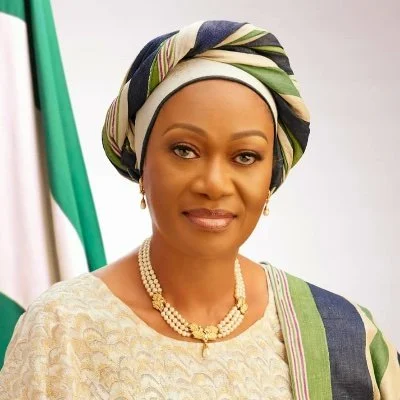
Secrets Reporters
A nation’s greatness is measured not by how well its people survive, but by how boldly its leaders inspire them to thrive.
That is why the recent remarks by Nigeria’s First Lady, Senator Oluremi Tinubu, urging Nigerians to embrace frying akara, selling kulikuli, roasting corn and other forms of petty roadside trading as means of livelihood have generated widespread disappointment across the country. While these are honourable occupations that have sustained countless families for generations, presenting them as symbols of economic empowerment from the highest levels of government exposes a disturbing poverty of vision.
The issue is not akara.
The issue is not kulikuli.
The issue is not roasted corn.
The issue is that a government elected to build Africa’s largest economy appears increasingly comfortable reducing the dreams of over 230 million Nigerians to roadside survival.
For millions of young Nigerians who spent years in universities, polytechnics and colleges, acquired professional certifications, learnt software development, artificial intelligence, cybersecurity, digital marketing, robotics and engineering, such advice sounds less like empowerment and more like an admission that government has exhausted its ideas for economic transformation. Even more troubling is that this is not an isolated occurrence.
President Bola Ahmed Tinubu once suggested that unemployed Nigerian youths could be recruited into the Nigerian Armed Forces where, at the very least, they would be fed with ewa (beans) and agbado (corn). While military service is a noble profession deserving of respect, presenting food as a principal attraction for enlistment reflected a worrying shift in national discourse. Rather than unveiling an ambitious blueprint capable of creating millions of productive jobs, leadership appeared content with assuring young people that they would at least have something to eat.
That is not the language of a nation preparing for the future. It is the language of a nation lowering its expectations. The statistics tell an uncomfortable story. Nigeria’s population is now estimated at over 230 million, with a median age of about 18 years, making it one of the youngest countries in the world. Every year, hundreds of thousands of graduates enter the labour market with hopes of building meaningful careers. Yet unemployment and underemployment continue to affect millions of young Nigerians, while countless others are forced into informal businesses not because they lack ambition, but because the economy has failed to provide better opportunities.
Ironically, Nigeria is already blessed with one of Africa’s most vibrant technology ecosystems. Nigerian software developers build applications used across continents. Nigerian fintech companies process billions of naira daily. Nigerian AI engineers work for global technology firms. Nigerian innovators are creating solutions in agriculture, healthcare, finance, education and logistics.
The talent already exists.
What is missing is leadership that understands where the world is heading.
This is the era of Artificial Intelligence.
The era of robotics.
The era of quantum computing.
The era of biotechnology.
The era of renewable energy.
The era of semiconductor manufacturing.
The era of autonomous systems.
These are the industries shaping the global economy.
Yet while countries around the world compete to dominate these sectors, Nigeria’s national conversation is being reduced to frying akara and roasting corn. History shows that no nation has ever become prosperous by institutionalising survival. South Korea emerged from the ruins of war to become one of the world’s leading technology powers through deliberate investment in education, research, innovation and manufacturing.
Singapore transformed itself from a resource-poor island into one of the world’s richest economies by investing in human capital, technology and world-class infrastructure.
Estonia built one of the world’s most advanced digital governments, creating a thriving technology ecosystem despite having a population smaller than many Nigerian cities.
India invested heavily in software, information technology, digital infrastructure and innovation, becoming a global hub for technology services while creating millions of high-skilled jobs. China committed itself to artificial intelligence, robotics, electric vehicles, semiconductor production and industrial innovation, lifting hundreds of millions of people out of poverty and becoming one of the world’s foremost economic powers. None of these countries asked their graduates to embrace roadside trading as the pinnacle of economic aspiration. They built ecosystems where innovation created industries.
Industries created jobs.
Jobs created wealth.
Wealth transformed nations.
There is absolutely nothing wrong with selling akara, roasting corn or producing kulikuli. Honest labour deserves dignity and respect.
What deserves criticism is when those entrusted with governing a nation begin presenting these occupations as substitutes for comprehensive economic planning.
Government exists not merely to help citizens survive.
Government exists to create conditions where citizens can succeed.
Nigerians are not asking for handouts.
They are asking for uninterrupted electricity, quality education, affordable financing, modern infrastructure, industrial policies, research funding, technology parks, startup incentives, manufacturing hubs, digital skills, stable economic policies, an environment where businesses can grow, industries can flourish and innovation can compete globally.
The most painful aspect of this entire episode is not the grants themselves but what they represent. It suggests a government increasingly comfortable celebrating charity instead of prosperity. A government more focused on distributing temporary relief than creating permanent opportunities. A government that appears to mistake survival for development.
Citizens are not beggars.
They are taxpayers.
They are entrepreneurs.
They are innovators.
They are professionals.
They are creators.
They deserve policies that expand opportunity rather than rhetoric that shrinks ambition.
Leadership matters because words matter. When leaders consistently lower the ceiling of national aspiration, they risk normalising mediocrity.
When the First Lady tells struggling Nigerians to fry akara and roast corn while the rest of the world invests billions in artificial intelligence, robotics and advanced manufacturing, the message many hear is painfully simple: lower your dreams. Nigeria cannot build a globally competitive economy on roadside smoke and frying pans.
Our future will be built in classrooms, laboratories, research institutes, innovation hubs, factories, technology parks and globally competitive enterprises.
History will not remember this administration for the number of speeches delivered or ceremonial grants distributed. It will remember whether Nigerians became more prosperous, whether industries expanded, whether factories reopened, whether young people found meaningful work, whether innovation flourished, whether government built an economy capable of competing with the world’s best.
Great nations challenge their citizens to invent the future. They do not reduce them to managing poverty.
There is dignity in frying akara.
There is dignity in roasting corn.
There is dignity in selling kulikuli.
But there is tragedy when the highest office in the land presents those occupations as the horizon of a nation’s economic ambition.
Nigeria deserves leadership that speaks the language of innovation, industrialisation and shared prosperity, not one that risks normalising poverty as public policy.
And if this is the best policy Remi Tinubu can propound in an age of Ai driven technology, she can as well pack her bags back to Lagos or Delta State to open a state of the art Akara, corn and kulikuli business mall.

Nigerian Police Conspires With House of Reps Member Austin Achado To Pay N725 Million For Consultancy To His Company In One Day
Secrets Reporters In a single day in May 2026, Nigeria’s Police Formations and Commands transferred more than ₦725 million to...

Industrial Arbitration Panel Mandate Is To Resolve Cases But Now To Spend N2.8 Billion On Streetlights, Road and Community Projects Outside Statutory Mandate
Secrets Reporters A review of the 2026 Appropriation Bill by SecretsReporters has uncovered billions of naira in proposed capital projects...

Breaking The Law: Nigeria’s Finance Ministry Routes Over ₦208 Million in IMF, World Bank Travel Payments Through Single Beneficiary Mariam Lawal
Secrets Reporters A review of official government payment records by SecretsReporters has uncovered more than ₦208 million in Federal Ministry...

SPECIAL REPORT: Ebonyi Governor Nwifuru Release N7.3 Billion To Purchase Vehicles, Zero Kobo Released For Hospitals
Secrets Reporters For residents of many rural communities in Ebonyi State, falling sick often means confronting a healthcare system already...

Crimes series: How Former NNPC Boss Bala Wunti-Led NAPIMS’ Paid ₦1.27bn As Investment To A Questionable Company Bypassing Presidential Approval
Secrets Reporters Documents obtained by SecretsReporters have raised questions over a ₦1,270,826,725 investment made by the National Petroleum Investment Management...
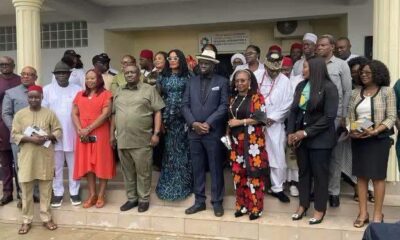

UNIZIK inaugurates Afreximbank-backed trade research centre to advance AfCFTA
The Nnamdi Azikiwe University, Awka, has inaugurated the Prof. Ngozi Egbuna International Centre for Regional Integration and Trade Research, an...

Army Builds Schools, Town Halls as Questions Grow Over Nigeria’s Deepening Security Crisis
Secrets Reporters As Nigeria continues to battle kidnappings, banditry, insurgency and violent attacks across several states, the Nigerian Army has...
Emem Usoro Scandal: Journalist Stanley Ugagbe Remanded in Kuje Prison Over Cybercrime Charges
Secrets Reporters Journalist Stanley Ugagbe has been remanded at the Kuje Correctional Centre by the Federal High Court in Abuja...

Fresh Transparency Concerns Rock NUPRC as Stakeholders Demand Forensic Audit of 2025 Oil Licensing Round
Secrets Reporters Fresh concerns have emerged over the integrity of Nigeria’s 2025 oil and gas licensing exercise, with industry stakeholders...
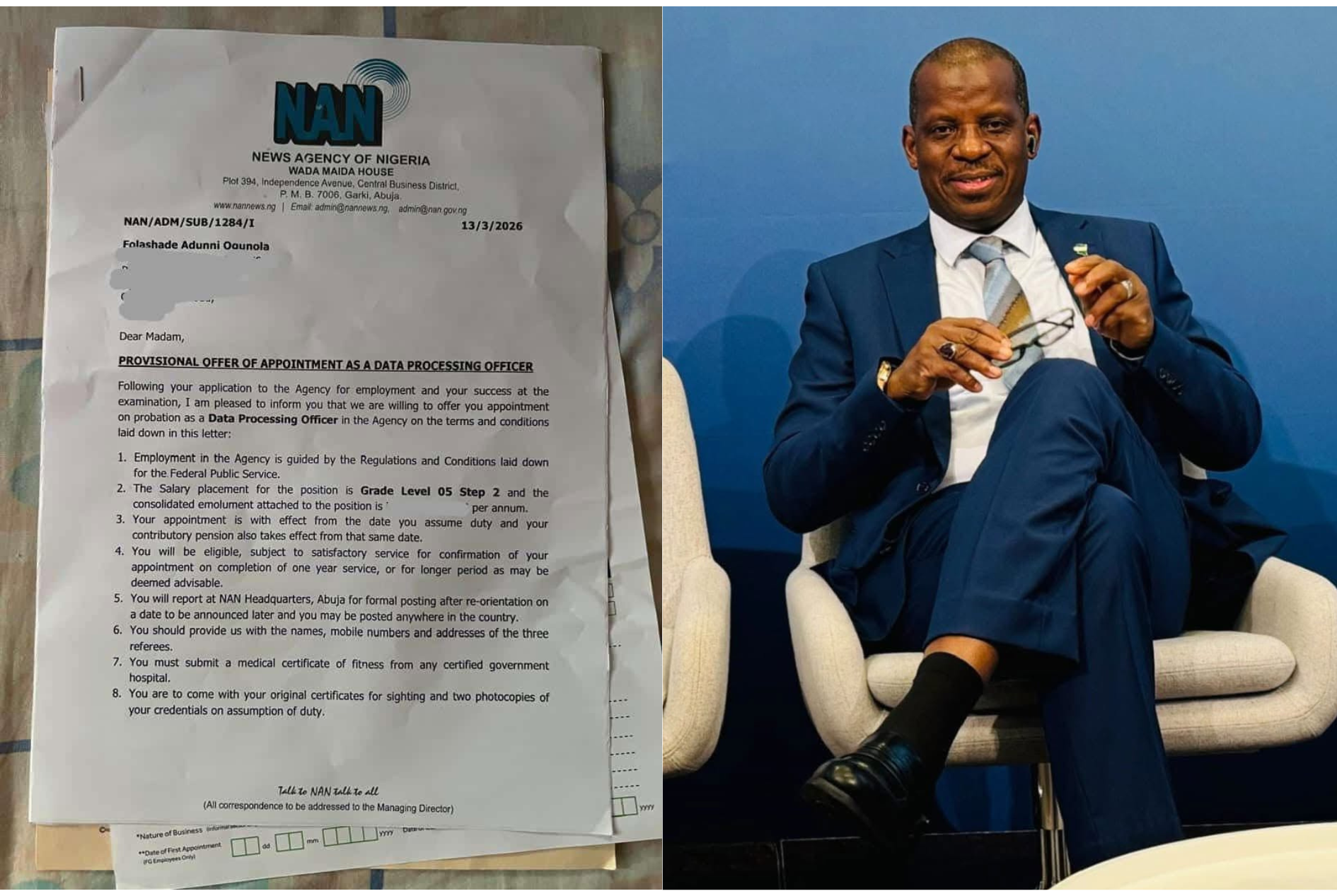
ICPC Probes News Agency of Nigeria Over Alleged Recruitment Irregularities After Secrets Reporters Expose
SecretsReporters The Independent Corrupt Practices and Other Related Offences Commission (ICPC) has commenced an investigation into alleged recruitment irregularities at...
While David Umahi Walks Free Of Homicide, Police File Six-Count Charge Against Fejiro Oliver And Ugagbe Over Reports on CBN Deputy Governor Emem Usoro
Secrets Reporters The Nigeria Police Force has filed a six-count criminal charge before the Federal High Court in Abuja against...

Again Police Detain Journalist Stanley Ugagbe Ahead of Secret Planned Federal High Court Arraignment On Orders of CBN Deputy Governor Emem Usoro
Secrets Reporters Information reaching SecretsReporters from a credible source has revealed that a senior reporter with SecretsReporters, Stanley Ugagbe, has...
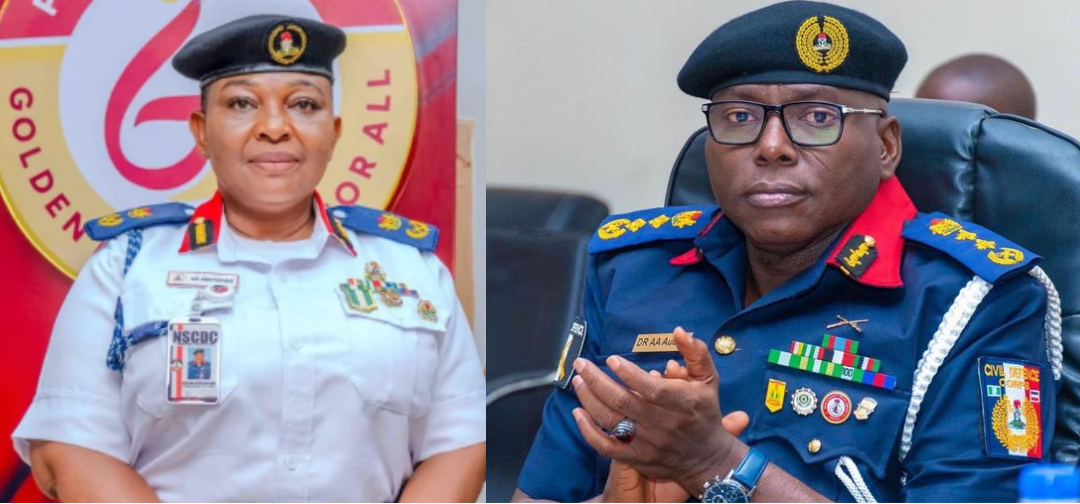
Sabotage, Corruption, Tribalism and Financial Recklessness Rocks Akwa-Ibom NSCDC Boss, Geraldine Abetianbe
Secrets ReportersThe Nigeria Security and Civil Defence Corps, NSCDC, Akwa Ibom State Command is in turmoil following a string of...
The Tax That Vanished: ₦262.1m Payment Into Personal Account, ₦192.4m Withholding Tax Shortfall Rocks NNPC Bala Wunti-Led NAPIMS
Secrets Reporters Federal auditors are currently in awe at how tax deductions and payment procedures at the National Petroleum Investment...

3 Nigerian journalists harassed with detention, summons, punitive bail conditions
The Committee to Protect Journalists calls on Nigerian authorities to stop harassing journalists, following the detention of journalist Zainab Sodiq...
Exclusive: Nigerian Police Packs Treasury ₦1.09 Billion As Full Payment To New Company Against Procurement Law
Secrets Reporters A review of federal treasury payment records has revealed that the Nigeria Police Force, through its Police Formations...
NLNG General Manager By Day, Trackion Energy Limited Director By Night: How Sophia Horsfall Violate Laws Of The Federal Republic Of Nigeria
Secrets Reporters Sophia Horsfall, the general manager of external relations and sustainable development at Nigeria’s Liquefied Natural Gas (NLNG), has...
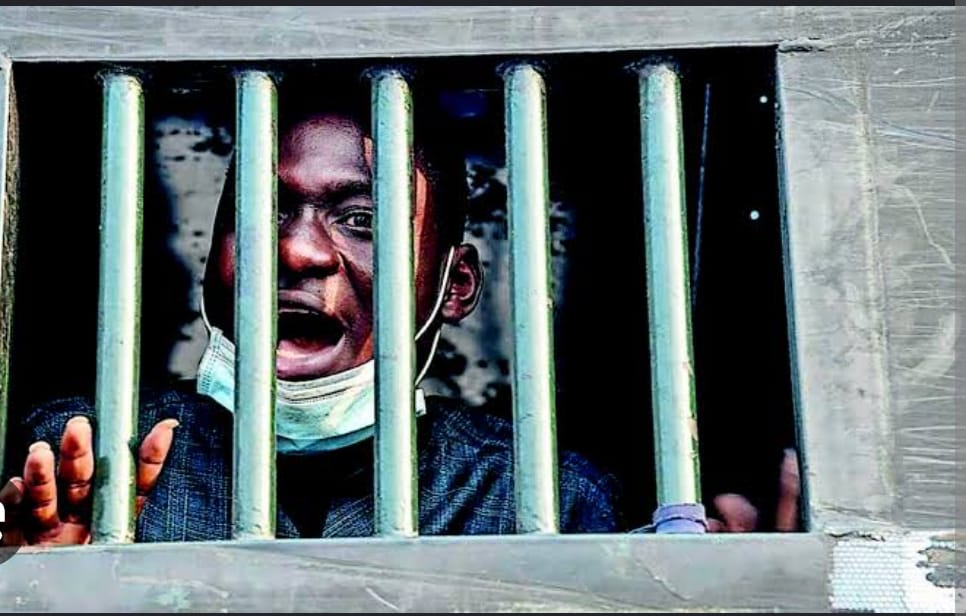
Editorial: Democracy Dies in Secret Detention; Why Nigeria Must End the Culture of Unannounced Arrests
A democracy governed by the rule of law cannot permit citizens to vanish without explanation. Yet, in Nigeria, a disturbing...
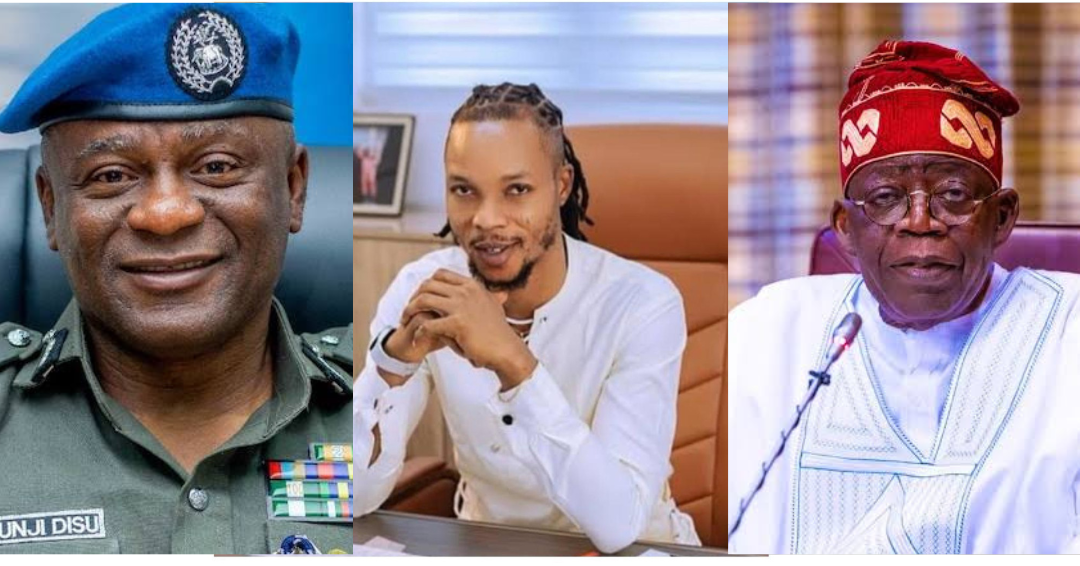
Nigerian Government Accuses Secrets Reporters Publisher Fejiro Oliver of Espionage, Invites Him For Questioning Days After Kidnapping Its Reporter
Secrets Reporters The Nigeria Police Force National Cybercrime Centre (NPF-NCCC) has invited the Publisher and Editor-in-Chief of Secrets Reporters, Mr....
BREAKING: Abducted Secret Reporters Journalist Stanley Ugagbe Regains Freedom
Secrets Reporters Stanley Ugagbe, the abducted investigative journalist with Secrets Reporters, has regained his freedom after spending several days in...