
 By
A SecretsReporters examination of the 2024 expense records of the Nigerian Maritime Administration and Safety Agency shows four expense lines that consumed N5,164,075,100 in a single year, and not one of the four bought a vessel, a rescue asset or a piece of maritime safety equipment. Fuelling generators took N4,520,775,100 of it. The London Dumping Convention took N100,000,000. Stationery took N223,250,000. Maintenance of office equipment took N320,050,000.
Generator fuel alone accounted for 87.5 per cent of the four-line total. The convention entry accounted for 1.9 per cent, stationery for 4.3 per cent and office-equipment maintenance for 6.2 per cent. These are overheads, the ordinary cost of keeping offices open, and in 2024 they swallowed more than five billion naira.
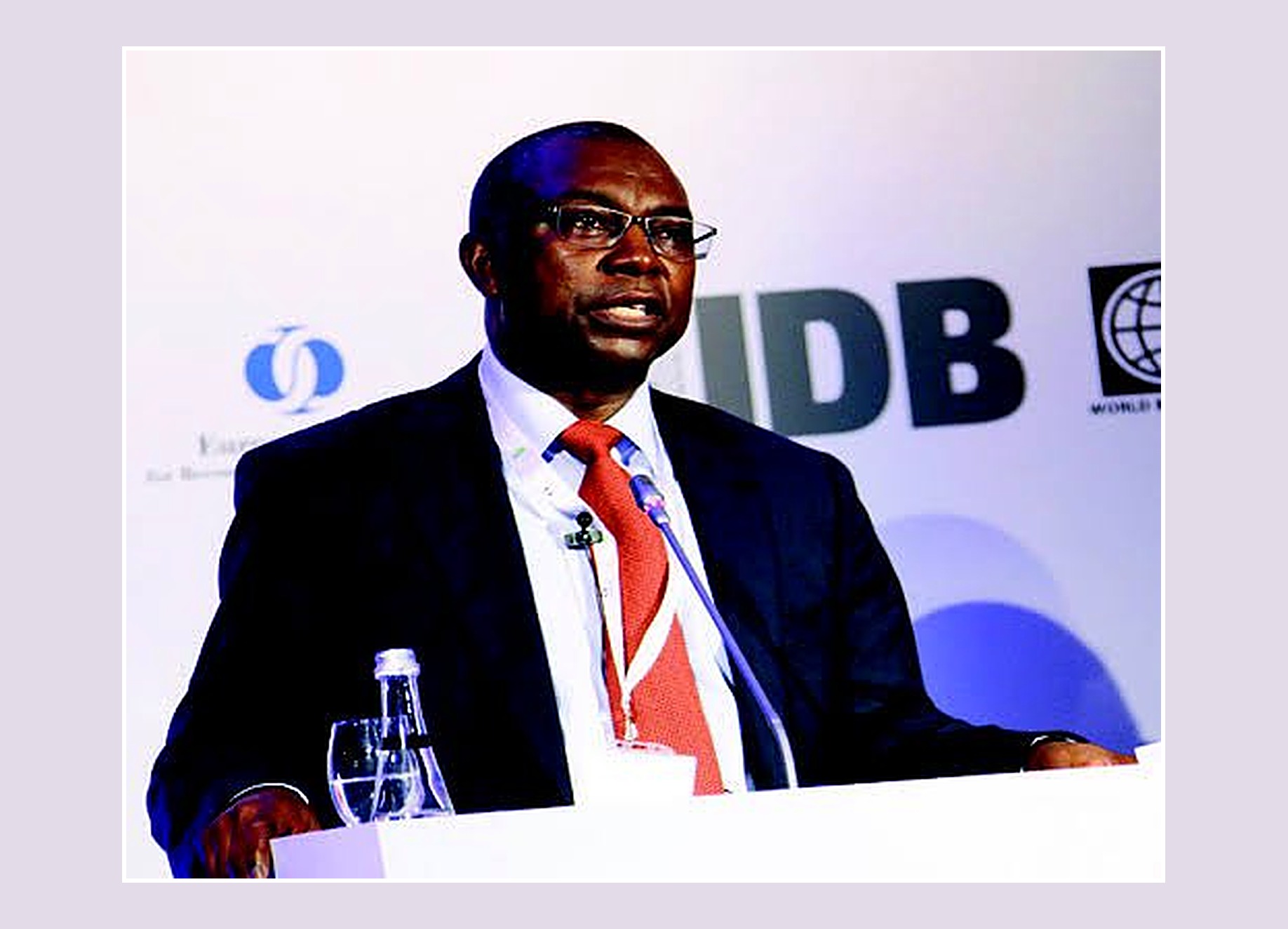
Dr Dayo Mobereola became Director-General of the agency in March 2024, after Bashir Jamoh. President Bola Tinubu approved the appointment on March 11, 2024, and the Presidency announced it on March 12, 2024. The four lines are annual totals without transaction dates, so the records do not separate the spending of the weeks before his arrival from the spending authorised after he took charge, and this report invents no such separation. Mobereola led the agency for most of 2024, and these are the accounts published under his watch.
Millions of litres of generator fuel
Spread evenly across the leap year, the generator-fuel money equals about N376.73 million every month and about N12.35 million every day, weekends and public holidays included. The National Bureau of Statistics put the average retail price of diesel at N1,379.48 per litre in July 2024. At that price, the fuel money buys about 3.28 million litres of diesel. Across a broader range of N1,200 to N1,500 per litre, it buys between 3.01 million and 3.77 million litres.
Manufacturer specifications put a 100 kVA diesel generator at about 22.3 litres an hour on full load, and published consumption charts put a 500 kVA set at about 105.8 litres an hour. On those rates, the quantity the fuel money represents would keep one 100 kVA generator running nonstop for about 16.78 years, and one 500 kVA machine running around the clock for about 3.54 years. NIMASA operates from more than one location and runs more than one generator, and the comparison pretends no single machine drank the fuel. What it fixes is the volume. To make the figure credible, the agency would have to match those millions of litres to named facilities, generator sizes, daily run-time logs and quantities actually received. The records carry none of that. On their face, the fuel line reads less like routine backup power and more like an expense built to overwhelm scrutiny.
A bare convention label carried N100 million
The London Dumping Convention entry states a subject, the prevention of marine pollution from the dumping of waste at sea, and nothing else. The record does not say whether the money paid a statutory contribution, carried delegates, bought airfare and accommodation, or hired consultancy and training. A nine-figure sum stands behind one label with no unit count of any kind. In 2024, advertised return fares on the Lagos to London route stood at about N1.2 million in economy and about N4 million in business class. If the entry was substantially travel, it equals roughly 83 return economy tickets or 25 return business-class tickets, before any group discount. If it was not travel, the record still does not say what was bought.
Stationery by the warehouse
At ordinary Nigerian market prices of N5,000 to N8,000 for a ream of A4 paper, the stationery money buys between 27,906 and 44,650 reams, between 13.95 million and 22.33 million sheets. On the reported workforce figure of 1,750 employees, it equals about N127,571 for every worker in the year, about N10,631 per employee every month, and between almost 16 and more than 25 reams of paper for each person on the staff. Stationery is wider than paper, and toner, pens and folders all draw on the same line. That breadth widens the duty to account rather than shrinking it, because a bill of this size cannot rest on one word.
Follow Secrets Reporters on WhatsApp: join the channel for every exclusive the moment it publishes.