
General News
Disaster! Auditor-General Uncovers Massive Revenue Leakages as Five Borno State MDAs Generate Zero ₦867m “Licence Fees”

Stanley Ugagbe
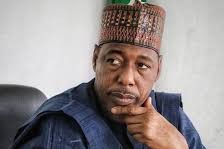
The 2024 Audit Report of the Borno State Government has exposed significant revenue generation failures across several ministries and agencies, with a number of government institutions recording zero Internally Generated Revenue (IGR) under the “licences” revenue category despite being allocated substantial revenue targets in the fiscal year.
The report, signed by the State Auditor-General, Shettima Bukar, revealed that none of the affected Ministries, Departments and Agencies (MDAs) generated a single Naira from the revenue sources assigned to them, resulting in a complete shortfall against their approved budgets.
According to the audit findings, the Ministry of Home Affairs, Information and Culture failed to generate any revenue from licences in 2024. The ministry had been projected to realise ₦1.12 million during the year but ended the period with an actual collection of ₦0.00, leaving a negative variance of ₦1.12 million.
Similarly, the Ministry of Transport recorded no revenue under the licences category despite a budget target of ₦59 million. The audit showed that the ministry did not remit any amount throughout the fiscal year, resulting in a revenue deficit equal to its entire budget projection.
The Road Traffic and Inspection Management Agency (ROTIMA), one of the agencies expected to contribute significantly to government revenue through licensing activities, also posted a zero collection record. The agency had been assigned an ambitious revenue target of ₦750 million but failed to generate any income from the source, creating one of the largest revenue gaps identified in the audit.
The Ministry of Health was equally cited for recording no revenue under the category. Although the ministry had a budgeted target of ₦57.25 million, the audit found that no collection was made during the year, leaving the entire projected revenue unrealised.
Also listed among the agencies with zero performance was the Ministry of Environment. The ministry was expected to generate ₦13,000 from licence-related revenue but failed to record any collection, resulting in a complete variance from its approved target.
According to the audit, the findings underscore persistent weaknesses in revenue mobilisation and collection mechanisms within some government institutions, raising concerns over accountability, enforcement and compliance with established revenue generation frameworks.
To address the lapses, the Auditor-General recommended a comprehensive strengthening of the Treasury Single Account (TSA) and Remita-based revenue collection system through the introduction of more robust checks and balances to ensure transparency and accountability in revenue management.
The report also called for enhanced supervision of revenue collectors, urging superior officers to conduct periodic random inspections of collection activities to prevent leakages and improve efficiency.
Furthermore, the Auditor-General advised the state government to extend the ongoing review of revenue-related laws beyond the Borno State Internal Revenue Board Law to cover tertiary institutions and other revenue-generating agencies. According to the report, such reforms would strengthen the institutional and regulatory framework required for sustainable revenue mobilisation across the state.
The audit equally stressed the need for the creation of a comprehensive database of all taxable entities and revenue-generating establishments operating within the state, noting that accurate data remains critical to improving revenue collection and monitoring.
In addition, the report recommended stronger collaboration among revenue-generating MDAs, the Borno State Internal Revenue Service and the Office of the Accountant-General to ensure proper accounting, recording and reporting of all revenues generated.
The Auditor-General further called for the establishment of a follow-up mechanism to monitor MDAs that recorded zero collections against their approved budgets, insisting that affected agencies must provide adequate revenue returns in subsequent fiscal periods.
To improve capacity and compliance, the report urged regular training and sensitisation programmes for personnel of the Borno State Internal Revenue Service, the Office of the State Auditor-General and the Office of the Accountant-General, particularly in areas relating to electronic revenue collection, rendering of returns and preparation of revenue reports.
The audit recommendations are expected to guide efforts aimed at plugging revenue leakages, enhancing accountability and boosting internally generated revenue as Borno State seeks to strengthen its fiscal sustainability amid growing development demands.

Breaking The Law: Nigeria’s Finance Ministry Routes Over ₦208 Million in IMF, World Bank Travel Payments Through Single Beneficiary Mariam Lawal
Secrets Reporters A review of official government payment records by SecretsReporters has uncovered more than ₦208 million in Federal Ministry...

SPECIAL REPORT: Ebonyi Governor Nwifuru Release N7.3 Billion To Purchase Vehicles, Zero Kobo Released For Hospitals
Secrets Reporters For residents of many rural communities in Ebonyi State, falling sick often means confronting a healthcare system already...

Crimes series: How Former NNPC Boss Bala Wunti-Led NAPIMS’ Paid ₦1.27bn As Investment To A Questionable Company Bypassing Presidential Approval
Secrets Reporters Documents obtained by SecretsReporters have raised questions over a ₦1,270,826,725 investment made by the National Petroleum Investment Management...

UNIZIK inaugurates Afreximbank-backed trade research centre to advance AfCFTA
The Nnamdi Azikiwe University, Awka, has inaugurated the Prof. Ngozi Egbuna International Centre for Regional Integration and Trade Research, an...

Army Builds Schools, Town Halls as Questions Grow Over Nigeria’s Deepening Security Crisis
Secrets Reporters As Nigeria continues to battle kidnappings, banditry, insurgency and violent attacks across several states, the Nigerian Army has...
Emem Usoro Scandal: Journalist Stanley Ugagbe Remanded in Kuje Prison Over Cybercrime Charges
Secrets Reporters Journalist Stanley Ugagbe has been remanded at the Kuje Correctional Centre by the Federal High Court in Abuja...

Fresh Transparency Concerns Rock NUPRC as Stakeholders Demand Forensic Audit of 2025 Oil Licensing Round
Secrets Reporters Fresh concerns have emerged over the integrity of Nigeria’s 2025 oil and gas licensing exercise, with industry stakeholders...
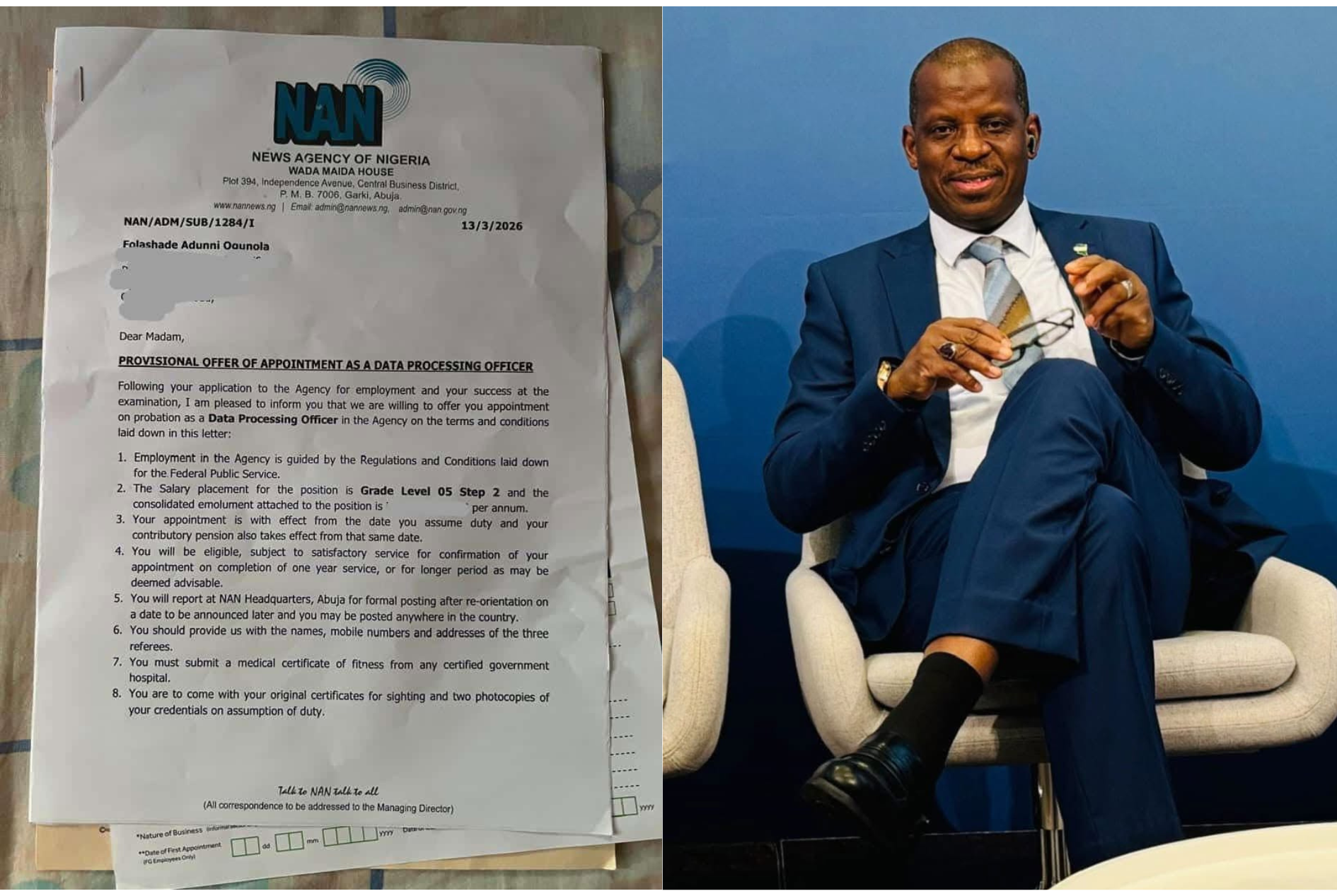
ICPC Probes News Agency of Nigeria Over Alleged Recruitment Irregularities After Secrets Reporters Expose
SecretsReporters The Independent Corrupt Practices and Other Related Offences Commission (ICPC) has commenced an investigation into alleged recruitment irregularities at...
While David Umahi Walks Free Of Homicide, Police File Six-Count Charge Against Fejiro Oliver And Ugagbe Over Reports on CBN Deputy Governor Emem Usoro
Secrets Reporters The Nigeria Police Force has filed a six-count criminal charge before the Federal High Court in Abuja against...

Again Police Detain Journalist Stanley Ugagbe Ahead of Secret Planned Federal High Court Arraignment On Orders of CBN Deputy Governor Emem Usoro
Secrets Reporters Information reaching SecretsReporters from a credible source has revealed that a senior reporter with SecretsReporters, Stanley Ugagbe, has...
Sabotage, Corruption, Tribalism and Financial Recklessness Rocks Akwa-Ibom NSCDC Boss, Geraldine Abetianbe
Secrets ReportersThe Nigeria Security and Civil Defence Corps, NSCDC, Akwa Ibom State Command is in turmoil following a string of...
The Tax That Vanished: ₦262.1m Payment Into Personal Account, ₦192.4m Withholding Tax Shortfall Rocks NNPC Bala Wunti-Led NAPIMS
Secrets Reporters Federal auditors are currently in awe at how tax deductions and payment procedures at the National Petroleum Investment...

3 Nigerian journalists harassed with detention, summons, punitive bail conditions
The Committee to Protect Journalists calls on Nigerian authorities to stop harassing journalists, following the detention of journalist Zainab Sodiq...
Exclusive: Nigerian Police Packs Treasury ₦1.09 Billion As Full Payment To New Company Against Procurement Law
Secrets Reporters A review of federal treasury payment records has revealed that the Nigeria Police Force, through its Police Formations...
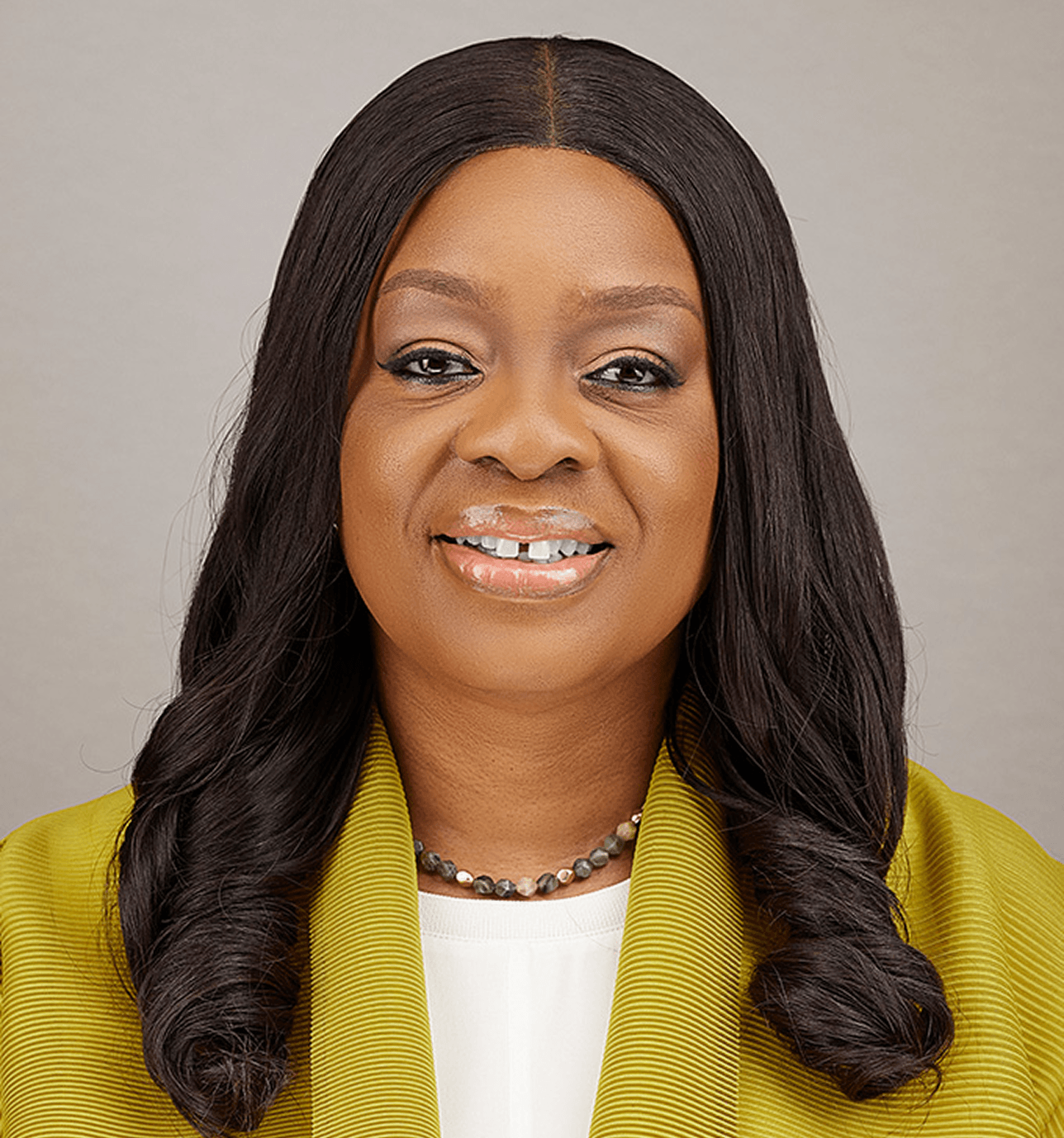
NLNG General Manager By Day, Trackion Energy Limited Director By Night: How Sophia Horsfall Violate Laws Of The Federal Republic Of Nigeria
Secrets Reporters Sophia Horsfall, the general manager of external relations and sustainable development at Nigeria’s Liquefied Natural Gas (NLNG), has...
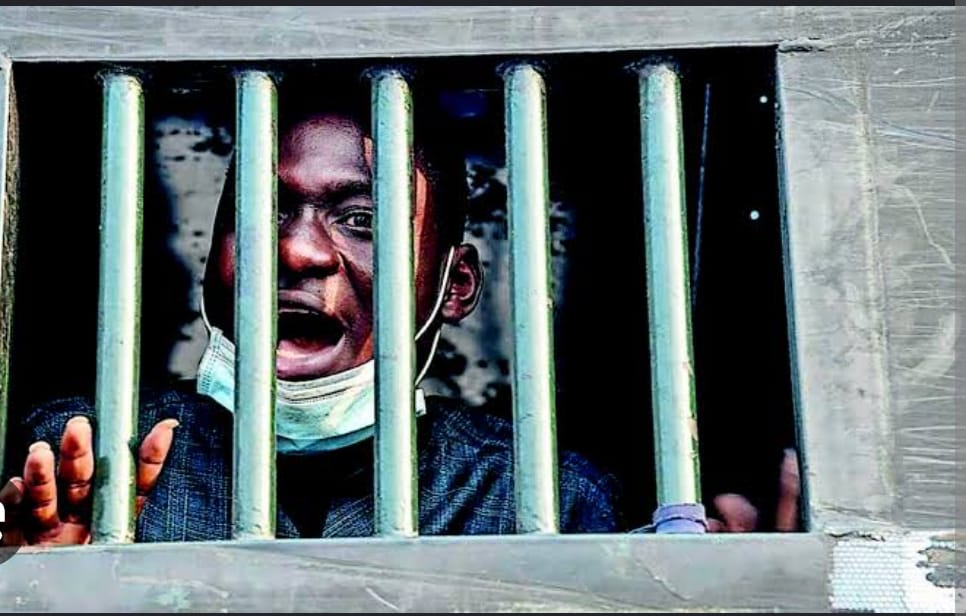
Editorial: Democracy Dies in Secret Detention; Why Nigeria Must End the Culture of Unannounced Arrests
A democracy governed by the rule of law cannot permit citizens to vanish without explanation. Yet, in Nigeria, a disturbing...
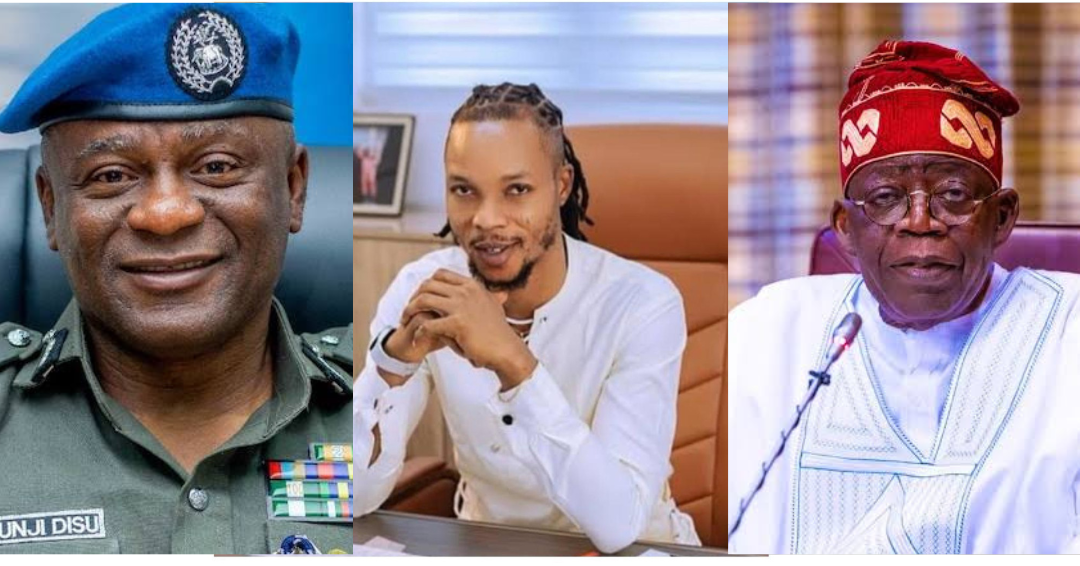
Nigerian Government Accuses Secrets Reporters Publisher Fejiro Oliver of Espionage, Invites Him For Questioning Days After Kidnapping Its Reporter
Secrets Reporters The Nigeria Police Force National Cybercrime Centre (NPF-NCCC) has invited the Publisher and Editor-in-Chief of Secrets Reporters, Mr....
BREAKING: Abducted Secret Reporters Journalist Stanley Ugagbe Regains Freedom
Secrets Reporters Stanley Ugagbe, the abducted investigative journalist with Secrets Reporters, has regained his freedom after spending several days in...
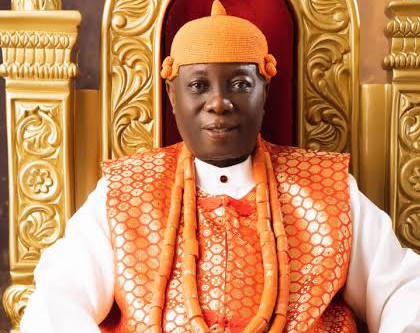
Asaba King, Prof. Azinge Bans Deltans From Selling Ogbono In Markets And Hotels, Says It’s Against Tradition
Secrets Reporters The traditional authorities of Asaba Kingdom have announced a ban on the sale of ogbono seed, locally known...
IPI Nigeria demands immediate release of Journalist Stanley Ugagbe
The Nigerian National Committee of the International Press Institute (IPI Nigeria) has condemned the alleged abduction and continued detention of...