
 By
Weeks after a London judge set aside the $11 billion arbitration award that Process & Industrial Developments Limited had held over Nigeria for the better part of a decade, the Federal Republic of Nigeria went to the company’s own home jurisdiction and asked the High Court of the British Virgin Islands to wind the company up out of existence, court documents obtained by SecretsReporters have shown.
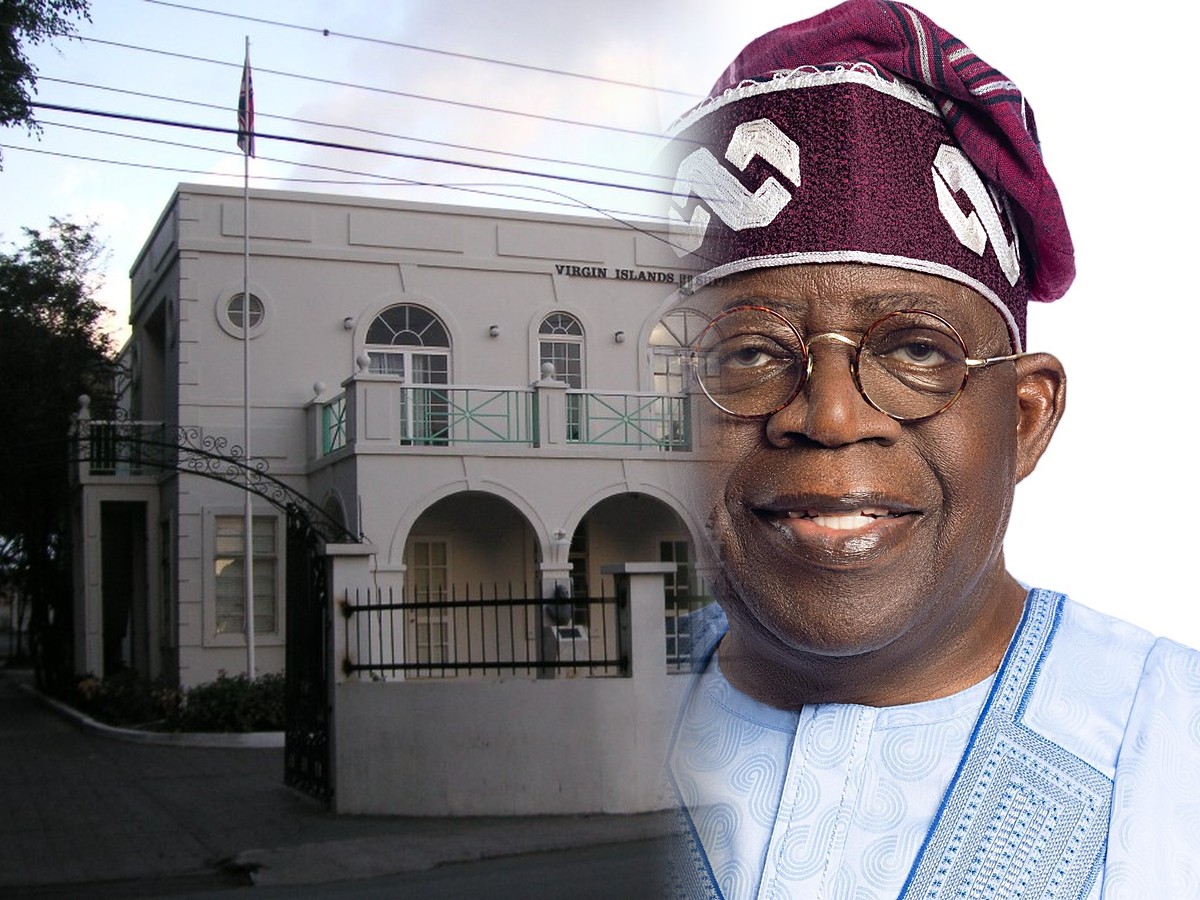
The originating application, filed at 9:04 a.m. on January 22, 2024, shows Nigeria, acting through the British Virgin Islands law firm Harney Westwood & Riegels, asking the court to place Process & Industrial Developments Limited into liquidation under the territory’s Insolvency Act 2003, and to install Matthew Richardson of Grant Thornton in Tortola and Darren Reeds of Grant Thornton in London as joint liquidators. The filing has never been reported. It has sat in the court records in Road Town while the rest of the P&ID saga played out in public.
The London Judgment That Killed The Award
On October 23, 2023, Justice Robin Knowles of the English Commercial Court set aside the entire award, ruling that it had been “obtained by fraud” and that enforcing it would be contrary to public policy. The court found that P&ID bribed Grace Taiga, the petroleum ministry lawyer at the heart of the 2010 gas supply agreement, kept her on corrupt payments through the arbitration years, and sat on Nigeria’s own privileged legal documents while presenting itself as fighting fair. The fraud, the court held, ran from the contract to the award.
The Costs Order The Company Never Paid
At the consequential hearing on December 8, 2023, Knowles ordered P&ID to pay Nigeria £20 million within 28 days, an interim payment on account of Nigeria’s costs, which the filing puts at over £43 million plus at least £2.5 million in interest. P&ID’s lawyers fought to cut the sum to £10 million and to have it paid in naira rather than pounds sterling. The judge refused the stay. On December 18, 2023, the company applied for permission to appeal the currency ruling. The 28 days, in pounds sterling, came and went without payment.
Interest Ran At £4,371.59 A Day
The application captures the paper trail of the default. Mishcon de Reya, Nigeria’s English counsel, wrote to Quinn Emanuel Urquhart & Sullivan, P&ID’s lawyers, demanding payment by the January 5, 2024 deadline, wrote again on the day the deadline expired, and wrote a third time three days later. Quinn Emanuel eventually replied that it was “seeking instructions” from its client. No money arrived. By the date of the application, interest alone on the unpaid sum stood at £78,688.52, accruing at £4,371.59 a day.
Insolvent, And Just And Equitable To Wind Up
Nigeria’s argument to the British Virgin Islands court is that a company that cannot pay a court-ordered debt of that size is insolvent under section 8(1)(c) of the Insolvency Act 2003, and that, given the London fraud findings, it is just and equitable that a liquidator be appointed over it. The application also seeks the court’s leave for Nigeria to continue prosecuting the English proceedings to their conclusion alongside the liquidation.
Nigeria has tried to end this company before. In September 2019, after P&ID’s Nigerian representatives pleaded guilty to fraud, tax evasion and economic sabotage, a Federal High Court in Abuja ordered the forfeiture of the company’s assets and its winding up. That order ran only as far as Nigeria’s borders. The British Virgin Islands application is the offshore complement, taken into the jurisdiction that incorporated the company.
An originating application is an opening move, not a verdict. The records seen do not disclose whether the British Virgin Islands court granted the liquidation, whether P&ID settled the debt, or whether the application remains on the docket of the Eastern Caribbean Supreme Court.