
 By
By Bulmun Dakwal
The Plateau Agricultural Development Programme (PADP) guest house located at Eto Baba in Jos, Plateau State, has remained in a dilapidated condition years after funds were allocated in the state budget for its renovation, raising questions about the implementation and monitoring of public projects.
Budget documents show that the renovation of the guest house appeared in the Plateau State budget for consecutive years. In 2021, the sum of 1.5 million Naira was approved for the renovation of the facility, while in 2022, another 150 thousand Naira was included for the same purpose.
However, findings from a visit to the facility suggest that little or no work was carried out on the building despite the budgetary allocations.
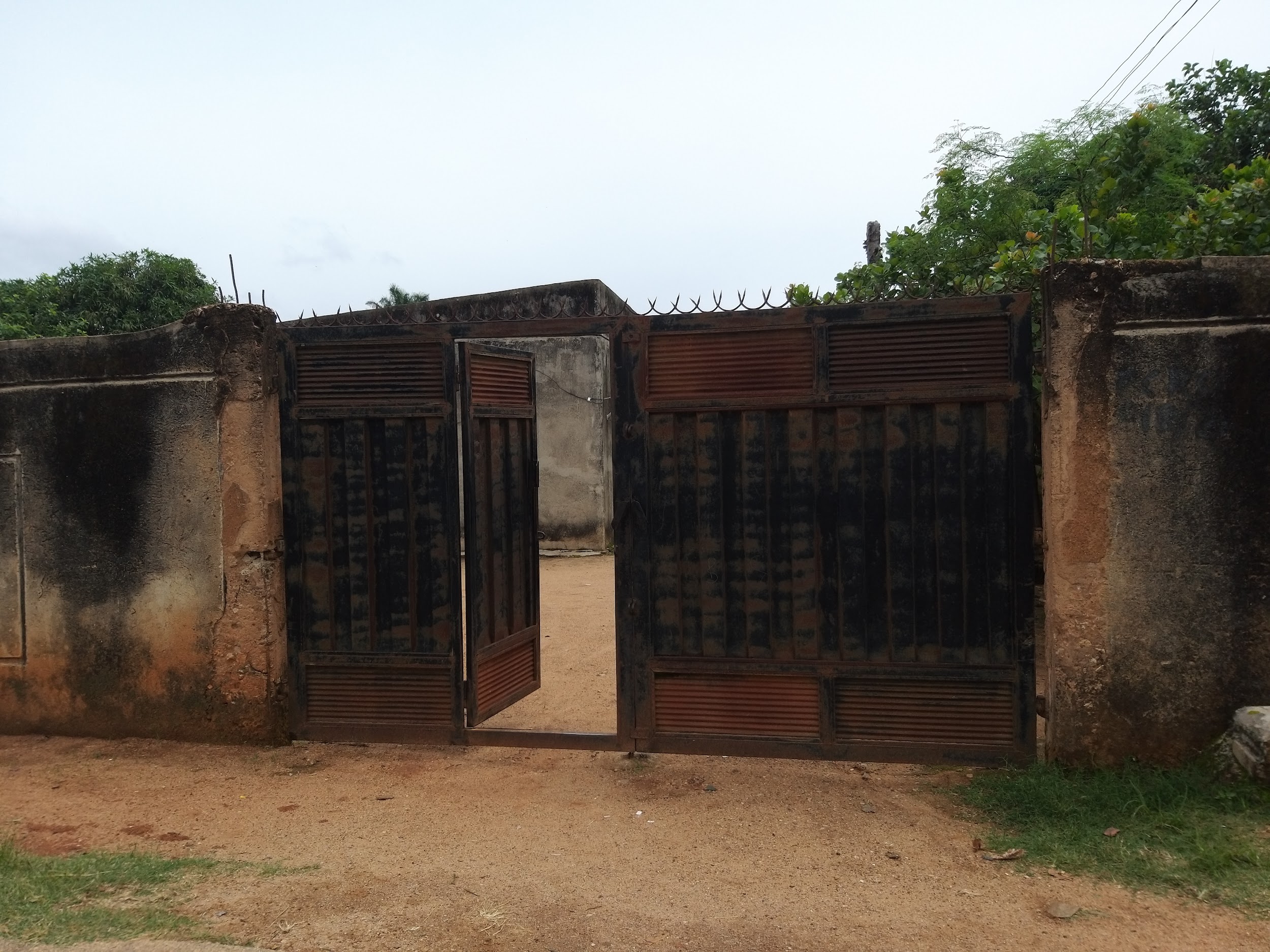
During a field visit to the location at Eto Baba in Jos, observers found the structure in a deteriorated state, with visible signs of neglect both on the exterior and interior of the building. The facility did not show evidence of recent renovation or repair work.
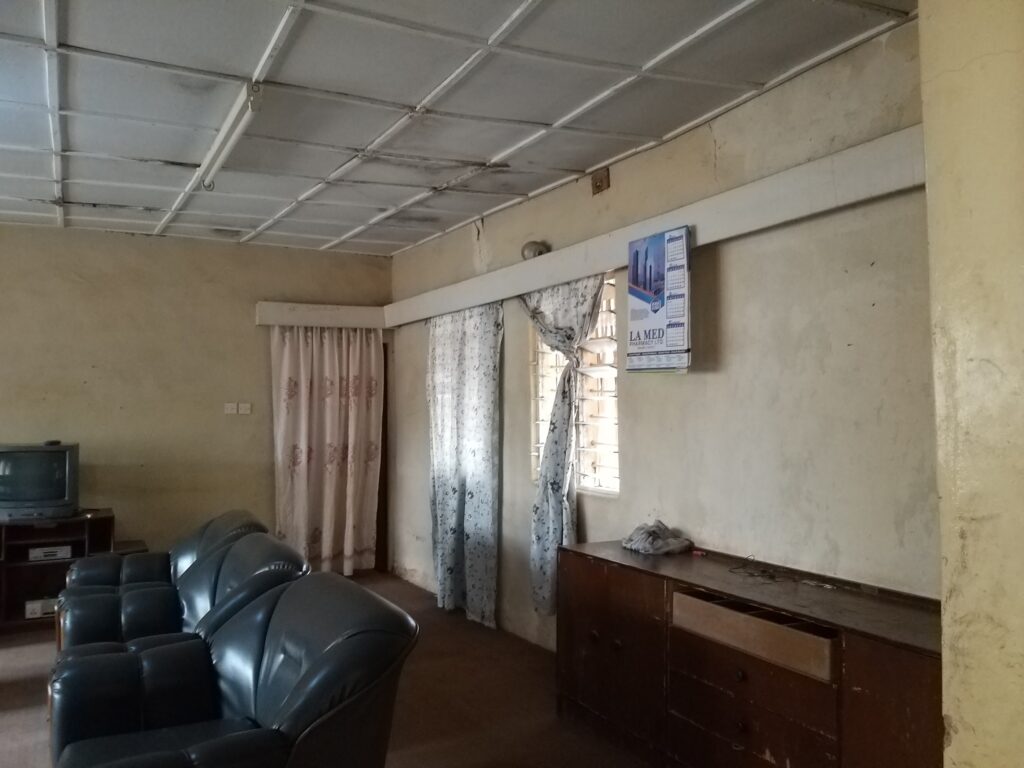
Living room inside the building
Inside the guest house, parts of the structure appeared worn out and outdated, giving the impression that the building had not undergone significant maintenance for years. Furniture and fittings within the apartment also looked old and unmaintained.
When approached for comments, a man who was present around the premises declined to disclose his identity and was reluctant to share detailed information about the building. However, he offered some insight into the history and ownership of the property.
According to him, the guest house has been in existence for many years and may not be fully owned by the Plateau State Government.
“The only thing I know is that the PADP guest house has been in existence since the year 2005, and the building do not belong to the government entirely because I know that they have been renting this place except if the government bought the building from the owner and I am not aware of it,” he said.
He further stated that to his knowledge, no renovation had taken place on the building.
“Well, as you can see, nothing has been done about this place, and I have not heard any rumor about this place being renovated by the government,” he added.
The claims by the local source raise further concerns about the nature of the government’s involvement with the property and whether public funds were spent on a facility that may not be entirely owned by the state.
Budget records show that the renovation project was listed under the Plateau State Local Government Staff Pension Board, the ministry responsible for the project.
An examination of budget performance reports also reveals vast difference between what is on the budget and the actual reality of the facility.
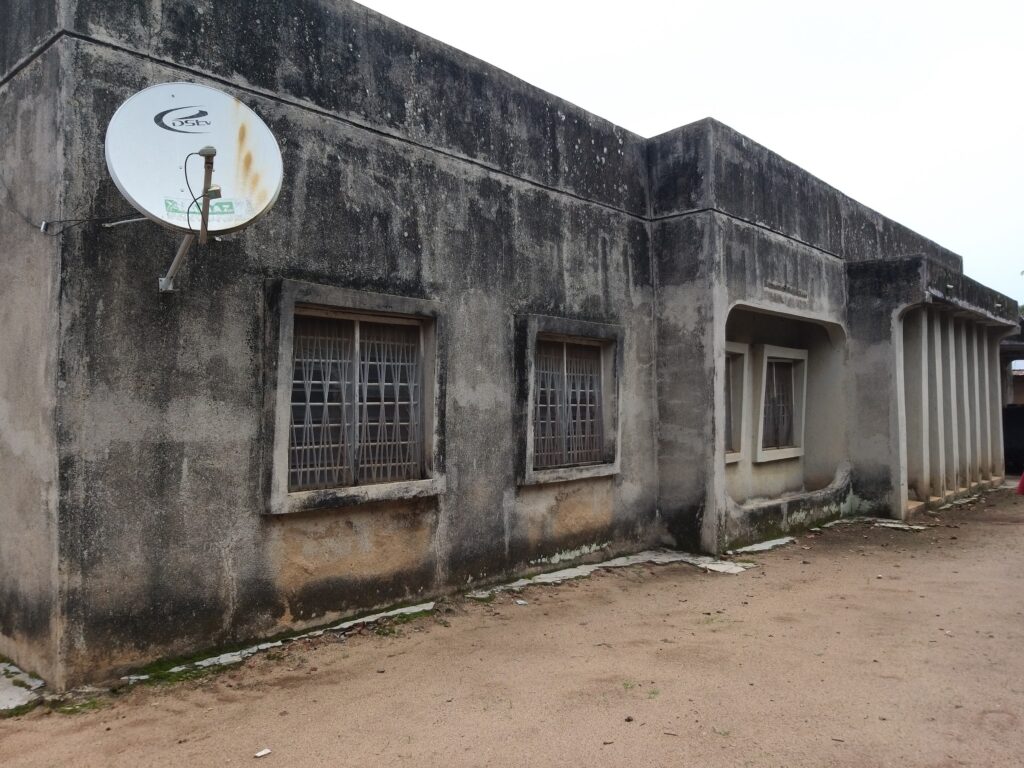
The frontage of the building
Even more concerning, a 2024 budget performance report from the Plateau state 2025 budget document, indicates that the renovation project recorded 100 percent performance, suggesting that the allocated 150 thousand naira funds were fully spent.
Despite this report, physical appearance of the building does not reflect any recent renovation or rehabilitation work.
Similarly, Plateau State’s budget documents continued to carry allocations for the renovation of the same guest house in subsequent fiscal reports.
Even more striking is the appearance of the project in later financial records. In the 2025 Plateau State budget dataset, performance records for January to December 2024 indicate that 150 thousand naira was recorded as the performance of the allocated budget. The difference between the earlier allocations of 1.5 million naira and the perceived budget repetition between the 2022 and now 2024 budget of 150 thousand naira raises additional questions about the project’s financial management.
While it is not uncommon for projects to receive revised budgets or expanded funding over time, such significant repetition would typically correspond with visible construction or renovation work on the ground.
Yet, field observations at the guest house do not appear to support claims of extensive renovation or major rehabilitation on the building.
The situation highlights a recurring challenge in public sector project implementation not just in Plateau state but across many states in Nigeria, where projects are included in budgets repeatedly but show little or no physical progress.
Budget transparency advocates have often argued that inclusion of projects in budget documents alone does not guarantee execution, especially when monitoring and independent verification are weak.
Cases like the Eto Baba guest house shows the importance of on sight verification and citizen oversight in tracking public spending.
Public finance experts say sharp difference between official budget performance reports and actual project implementation can undermine the trust of the people in government budgeting processes.
They also warn that repeated allocations for the same project without clear evidence of execution may indicate inefficiencies in procurement, poor oversight, or possible mismanagement of public funds.
The uncertainty surrounding the ownership of the property further complicates the issue, if the building is indeed rented, as suggested by the local source, it raises the question of whether public funds should be used to renovate a property that may not belong to the state government.
As of the time of writing this report, there is no publicly available evidence online showing that the PADP guest house at Eto Baba has been renovated or completed in line with the budget allocations.
Until the Plateau state government comes out to speak or execute this project, the guest house remains another example of a budgeted project whose execution on the ground appears unclear.